
Why Traceability Matters in Safety-Critical Pressure Vessel Manufacturing
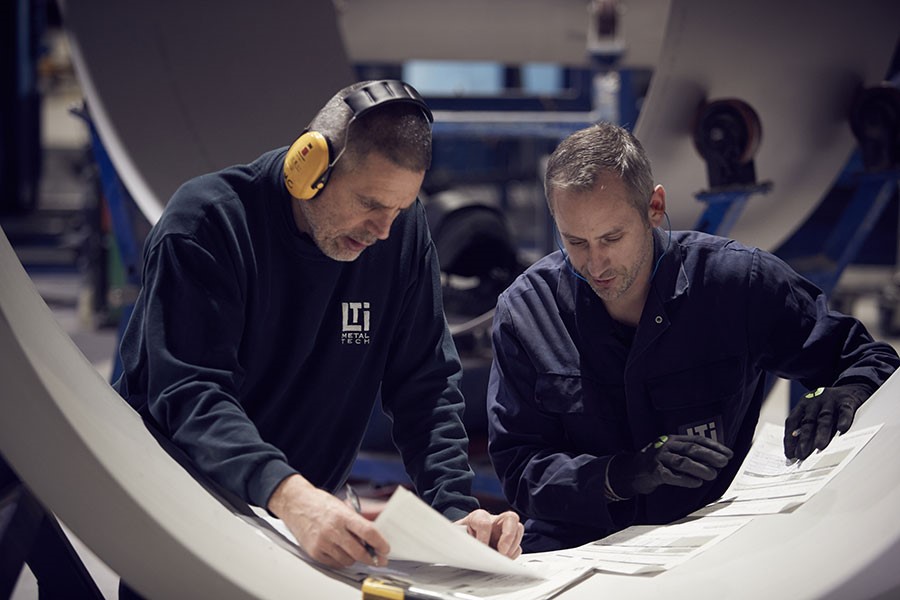
When people think about pressure vessels, they often focus on the finished product. They see the fabrication, the welding, the testing, and the engineering expertise that goes into creating equipment designed to perform in demanding environments.
What is less visible, but equally important, is traceability.
In safety-critical industries, confidence doesn’t come from assumptions. It comes from knowing exactly what materials were used, who carried out the work, what procedures were followed, and how the vessel was inspected and verified throughout manufacture.
For pressure vessel manufacturers serving regulated sectors, traceability is not simply an administrative requirement. It is a fundamental part of delivering safe, compliant, and reliable equipment.
What Does Traceability Mean?
In simple terms, traceability is the ability to follow a pressure vessel’s journey from raw material through to final delivery.
Every significant stage of manufacture is recorded and documented, creating a clear history of how the vessel was built and verified.
This can include:
• Material certificates
• Manufacturing records
• Approved welding procedures
• Welder qualifications
• Inspection reports
• Pressure testing results
• Quality documentation
Together, these records provide evidence that the vessel has been manufactured in accordance with the required specifications and standards.
Rather than relying on memory or assumptions, every critical stage can be verified through documented information.
Why It Matters in Regulated Industries
Pressure vessels are often used in environments where reliability is essential.
At LTi Vessco, we manufacture pressure vessels and process equipment for industries including nuclear power, water treatment, chemicals, oil and gas, renewables, and heavy industry. In these sectors, equipment is frequently operating under demanding pressures, temperatures, and process conditions.
When systems are supporting critical infrastructure or industrial operations, manufacturers and operators need confidence that every component has been built correctly.
Traceability helps provide that confidence.
It allows organisations to demonstrate compliance, support audits, verify manufacturing quality, and maintain complete records throughout an asset’s operational life.
Traceability Starts Before Fabrication Begins
Many people assume traceability starts on the workshop floor. In reality, it begins much earlier.
Before fabrication starts, materials are identified, verified, and documented. Material certification confirms that the correct grades have been supplied and that they meet the project’s requirements.
For bespoke pressure vessels, where customers may specify particular materials for performance, corrosion resistance, or operating conditions, maintaining these records is particularly important.
Knowing exactly which materials have been used creates a reliable foundation for everything that follows.
Maintaining Control Throughout Manufacture
Traceability continues throughout the fabrication process.
Pressure vessel manufacturing involves numerous stages, from forming and fit-up through to welding, inspection, and testing. At each stage, records help maintain consistency and accountability.
Qualified welding procedures are followed, fabrication activities are documented, and quality checks are completed throughout production.
This approach supports repeatability and helps ensure that the vessel delivered at the end of the project matches the design and compliance requirements established at the beginning.
For manufacturers working in regulated industries, maintaining this level of control is essential.
The Importance of Inspection and Testing Records
Inspection and testing are critical parts of pressure vessel manufacture, but their value depends on proper documentation.
A pressure test may confirm that a vessel performs as required. Non-destructive testing may verify weld integrity. Visual inspections may confirm compliance with manufacturing specifications.
However, without records, there is no lasting evidence that these activities took place.
That’s why inspection reports, testing results, and verification records form such an important part of traceability.
At LTi Vessco, pressure testing and NDT can be completed as specified, supported by full traceable documentation. This provides customers with clear evidence that the required verification activities have been carried out before equipment enters service.
Supporting Compliance and Audits
Regulated industries often require extensive documentation to demonstrate compliance with industry standards, project requirements, and quality systems.
Traceability makes this process significantly easier.
When documentation is organised and readily available, audits can be completed more efficiently, compliance can be demonstrated more clearly, and project stakeholders can access the information they need without unnecessary delays.
Rather than being viewed as paperwork for its own sake, traceability becomes a practical tool that supports accountability and confidence throughout the supply chain.
Long-Term Value Beyond Delivery
The benefits of traceability don’t end when a pressure vessel leaves the factory.
Many vessels remain in operation for decades. During that time, operators may need to carry out inspections, maintenance activities, repairs, modifications, or performance reviews.
Having access to historical manufacturing records makes these activities far easier to manage.
Material information, testing results, fabrication records, and inspection reports can all provide valuable insight into the asset’s history.
This helps support informed decision-making and contributes to the long-term management of critical equipment.
Traceability and Quality Go Hand in Hand
Quality and traceability are closely linked.
Excellent workmanship is essential, but in regulated manufacturing, quality also needs to be demonstrated.
Comprehensive documentation provides evidence that manufacturing processes have been followed correctly and that quality requirements have been met.
This is why internationally recognised standards place such importance on documented procedures, inspection records, and verification activities.
Strong traceability supports strong quality management.
Why Experience Matters
Effective traceability relies on more than documentation systems alone.
It requires disciplined processes, experienced personnel, and a culture that values consistency and accountability.
At LTi Vessco, traceability forms part of a broader approach to engineering control. From design input and fabrication through to inspection, testing, and certification, maintaining clear records helps support the compliance, integrity, and reliability that customers expect from a pressure vessel manufacturer serving regulated industries.
Combined with precision welding, quality management systems, and extensive experience in safety-critical sectors, traceability helps ensure every project is delivered with confidence.
A Final Word
Traceability may not be the most visible aspect of pressure vessel manufacturing, but it is one of the most important.
It provides evidence, accountability, and confidence at every stage of a vessel’s lifecycle. It supports compliance, strengthens quality assurance, and helps operators manage critical assets long after manufacture is complete.
In safety-critical industries, knowing exactly how something was built can be just as important as building it correctly in the first place.
That’s why traceability remains a fundamental part of high-integrity pressure vessel manufacturing.