
From Prototype to Pressure-Tested: The Journey of a Bespoke Vessel in Regulated Engineering
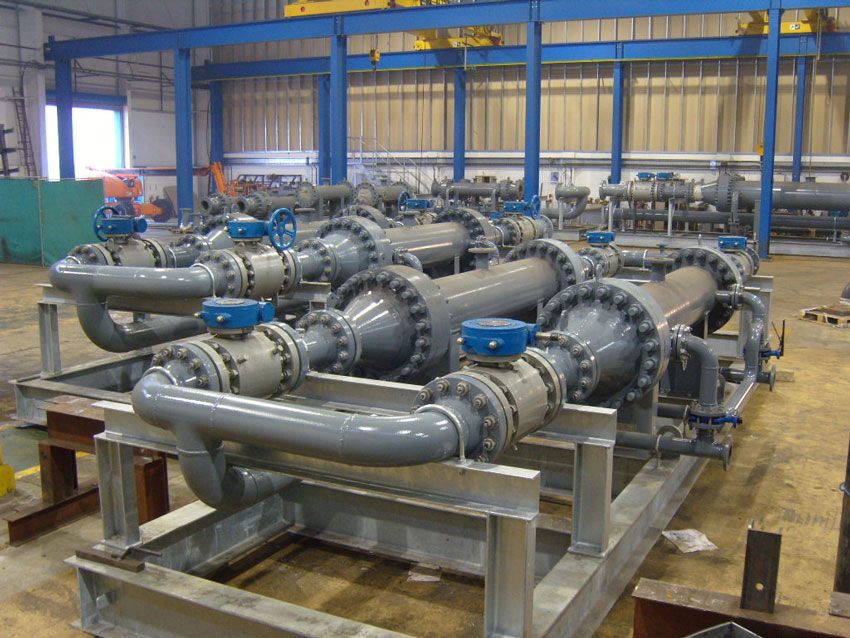
When people think about pressure vessels, they often picture the finished product sitting on a plant floor or integrated into a larger industrial process. What’s less visible is the amount of engineering, fabrication control, inspection, and testing required to get it there – especially when the vessel is bespoke and intended for regulated industries.
In sectors where safety, compliance, and long-term reliability matter, pressure vessel manufacture is about far more than shaping and welding metal together. Every stage has to be carefully controlled to ensure the finished vessel performs exactly as intended in demanding operating conditions.
For bespoke pressure vessels, the journey from concept to pressure-tested completion is a detailed and highly disciplined process.
Every Vessel Starts With the Application
No two bespoke pressure vessels are exactly the same because no two operating environments are exactly alike.
Some vessels are designed to operate under high pressure. Others may need to handle corrosive materials, extreme temperatures, or specialist process requirements. Industries such as nuclear, power generation, water treatment, oil and gas, healthcare, and industrial processing all bring their own technical and compliance demands.
Before fabrication begins, engineers first need to understand exactly what the vessel needs to do.
That includes reviewing factors such as:
• Operating pressure and temperature
• Materials or media being handled
• Environmental conditions
• Installation and access constraints
• Applicable industry codes
• Inspection and certification requirements
This early stage is essential because decisions made here shape the entire manufacturing process that follows.
Turning Requirements Into Practical Engineering
Once the application requirements are established, the project moves into design and engineering development.
In regulated industries, vessel design is about more than theoretical performance. Engineers also need to consider how the vessel will actually be fabricated, inspected, transported, installed, and maintained throughout its service life.
That means balancing technical performance with practical manufacturing considerations.
During this stage, engineers may assess:
• Vessel geometry and layout
• Weld access and fabrication sequencing
• Material compatibility
• Inspection accessibility
• Structural loading
• Thermal expansion considerations
• Compliance with required standards
For bespoke projects, close collaboration between engineering and fabrication teams is especially important. A successful vessel design must work both on paper and on the shop floor.
Material Selection Matters
Material choice plays a major role in pressure vessel performance.
Different applications place different demands on fabricated equipment. Some projects may require stainless steel for corrosion resistance, while others may call for carbon steel, duplex, super duplex, nickel alloys, or customer-specified specialist materials.
The selected material needs to support:
• Pressure containment
• Corrosion resistance
• Temperature performance
• Long-term durability
• Fabrication suitability
• Regulatory compliance
In sectors such as nuclear, healthcare, and energy infrastructure, traceability is often critical as well. Materials may need to be fully documented and verified before manufacture can proceed.
Fabrication Begins With Precision
Once engineering and material preparation are complete, fabrication can begin.
At this stage, precision becomes critical.
Pressure vessels often involve complex geometries, formed sections, nozzles, support structures, and multiple welded assemblies. Maintaining dimensional accuracy throughout fabrication helps ensure the vessel can be assembled, tested, and operated correctly later on.
For bespoke and low-volume builds, flexibility is equally important. Unlike repetitive production manufacturing, each vessel may bring its own technical challenges that require careful planning and problem-solving.
This is where experienced fabrication teams make a real difference.
High-Integrity Welding at the Core
Welding is one of the most important parts of the entire process.
In pressure vessels, welds don’t simply hold components together – they form part of the vessel’s pressure boundary and overall structural integrity. Their quality directly impacts safety, reliability, and long-term performance.
That’s why regulated industries rely on high-integrity welding procedures.
Qualified coded welders follow approved welding methods designed to deliver repeatable, consistent results across critical joints and specialist materials. Depending on the project, fabrication may involve stainless steel, carbon steel, duplex grades, or more advanced alloys requiring specialist welding expertise.
For bespoke vessel manufacture, maintaining quality across one-off or technically complex builds is especially important because every project may present different fabrication challenges.
Traceability and Documentation Throughout Manufacture
In regulated engineering, documentation is a key part of the manufacturing process.
Throughout fabrication, records are maintained covering:
• Material certification
• Weld procedures
• Welder qualifications
• Inspection stages
• Testing activities
• Quality checks
This traceability provides a clear manufacturing history for the vessel and supports compliance requirements across regulated sectors.
For industries such as nuclear, healthcare, energy, and utilities, this level of accountability is often essential for operational assurance and long-term asset management.
Inspection and Non-Destructive Testing
Quality control is not something left until the end of the project.
Inspections take place throughout the manufacturing process to ensure standards are maintained consistently at every stage. Alongside visual checks, non-destructive testing (NDT) may be used to assess weld quality and identify internal defects without damaging the vessel itself.
Depending on project requirements, testing methods can include:
• Radiographic inspection
• Ultrasonic testing
• Dye penetrant inspection
• Magnetic particle testing
• Hydrostatic pressure testing
These inspections help confirm the vessel meets specification before entering final validation and service.
More importantly, they help maintain confidence that the vessel will perform safely under real operating conditions.
Pressure Testing – The Final Validation
One of the most important stages in the entire journey is pressure testing.
This is where the completed vessel is subjected to controlled pressure conditions to verify its integrity and demonstrate that it performs as intended.
Pressure testing acts as a final confirmation of the manufacturing process as a whole. Successful results reflect the quality of the engineering, material preparation, welding, inspection, and fabrication work completed throughout the project.
For safety-critical industries, this final validation provides confidence that the vessel is ready for operational service.
Why Experience Matters in Regulated Engineering
Bespoke pressure vessel manufacture requires more than fabrication capability alone.
Projects often involve complex specifications, strict compliance requirements, specialist materials, and demanding operating environments. Successfully managing these challenges depends on experienced engineers, skilled coded welders, disciplined quality systems, and a strong understanding of regulated industries.
At LTi Vessco, bespoke and low-volume pressure vessels are manufactured with this level of control and accountability built into every stage of the process.
More Than a Finished Vessel
By the time a pressure vessel reaches final delivery, it represents far more than a completed fabrication.
Behind every vessel is a carefully managed journey involving engineering expertise, precision fabrication, high-integrity welding, inspection, verification, and pressure testing – all focused on ensuring safe, reliable long-term performance.
Because in regulated engineering, quality isn’t something added at the end. It’s built into the process from the very beginning.
At LTi Vessco, that approach underpins every bespoke vessel we manufacture – helping industries operate safely, reliably, and with confidence where it matters most.