
What Information Do Manufacturers Need to Quote a Custom Pressure Vessel?
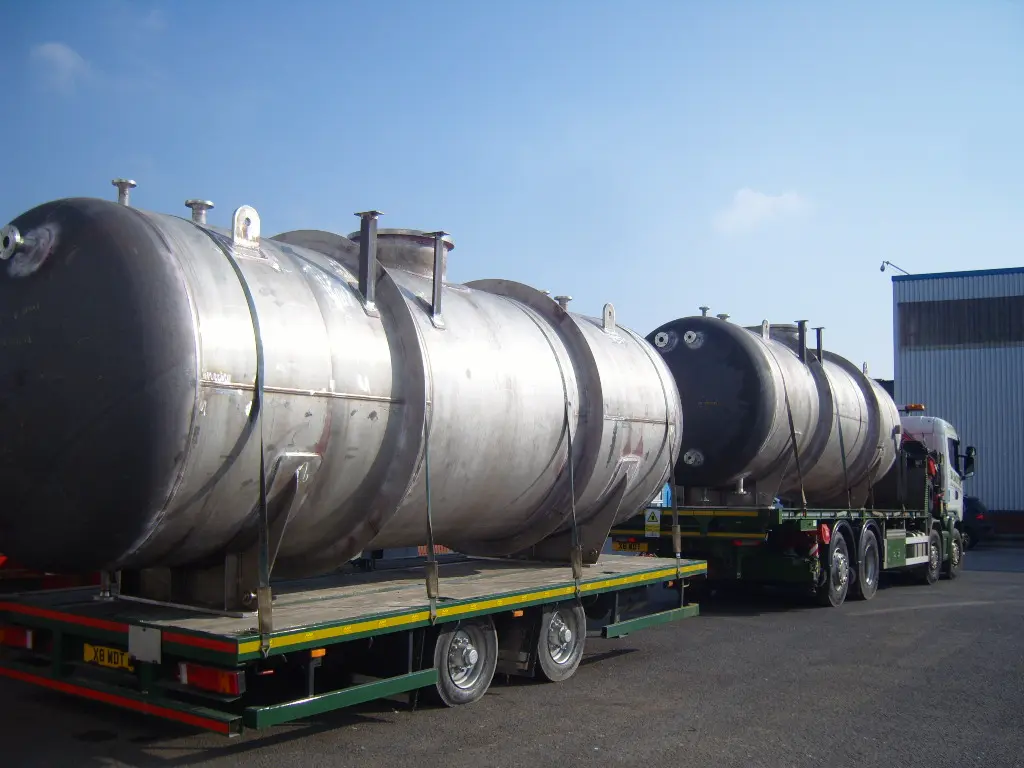
Pressure vessels are rarely off-the-shelf products. In most industrial environments they are designed and manufactured to suit a specific process, operating condition, and installation requirement. Whether the vessel will be used in energy, utilities, chemicals, or other heavy industries, every project starts with a clear technical specification.
For manufacturers, quoting a custom pressure vessel means more than estimating material and fabrication time. The quotation must reflect design calculations, compliance with recognised standards, welding procedures, testing requirements, and documentation. To do that accurately, the manufacturer needs the right information from the start.
Providing clear details early helps avoid design revisions, unexpected costs, and project delays. It also ensures the vessel can be built safely and in line with the relevant engineering codes.
Below are some of the key details pressure vessel manufacturers typically need before preparing a quotation.
Operating Conditions
The starting point for any pressure vessel design is understanding the conditions it will operate under.
Two of the most important pieces of information are the design pressure and operating pressure. Operating pressure is the level the vessel will normally run at during service. Design pressure is slightly higher and is used in engineering calculations to ensure the vessel can safely handle pressure fluctuations.
Temperature is just as important. High or low temperatures can affect the strength of materials, the behaviour of welds, and the overall structural integrity of the vessel. Knowing the full operating temperature range allows engineers to select suitable materials and design the vessel correctly.
Manufacturers will also need to understand what the vessel will contain. The process media – whether it is steam, gas, chemicals, or another substance – can influence corrosion resistance, material selection, and inspection requirements.
Vessel Size and Configuration
Physical dimensions are another key part of the quotation process.
Manufacturers need to know the approximate diameter, length or height, and internal volume of the vessel. They will also need to know whether the vessel will be installed horizontally or vertically.
The shape of the vessel heads can also affect design and manufacturing. Elliptical, hemispherical, or dished heads each have different structural characteristics and fabrication requirements.
Even small changes to dimensions can alter the amount of material required, wall thickness calculations, and welding complexity, so having a clear idea of the intended configuration helps manufacturers provide a more accurate quotation.
Material Requirements
The materials used to build a pressure vessel must be capable of withstanding pressure, temperature, and the process environment.
Carbon steel is commonly used for many industrial applications because it offers strength and durability at a relatively economical cost. Stainless steel or specialised alloys may be required where corrosion resistance or high temperatures are involved.
In regulated industries, materials must also be fully traceable and certified. Providing the preferred material grade, if known, helps manufacturers determine whether additional welding qualifications or procedures will be required.
Design Codes and Compliance
Pressure vessels must be designed and manufactured in line with recognised engineering codes.
In the UK and Europe, projects often follow PD 5500 or BS EN 13445 standards, while many international projects use the ASME Boiler and Pressure Vessel Code. These codes set the rules for design calculations, fabrication methods, inspection, and testing.
Knowing which code the vessel must comply with is essential before a manufacturer can prepare a quotation. Each standard has different requirements that can influence design approach, fabrication time, and inspection processes.
Nozzles and Connections
Most pressure vessels include multiple connections for pipework, instrumentation, and safety equipment.
Manufacturers will usually require information about the number, size, and type of nozzles, as well as the type of flange or connection required. The exact position of these connections can often be finalised later during the design stage, but the general requirements help determine fabrication complexity.
These connections must be reinforced and welded correctly to maintain the structural integrity of the vessel, which is why they are an important part of the quotation process.
Inspection and Testing Requirements
Pressure vessels typically undergo inspection and testing before they are delivered to site.
Depending on the project and industry, this can include non-destructive testing (NDT) methods such as radiography or ultrasonic inspection, as well as hydrostatic pressure testing to confirm the vessel’s structural integrity.
If third-party inspection or additional testing is required, this will also need to be factored into the quotation.
Documentation and Certification
For many industrial projects, documentation is just as important as the vessel itself.
Manufacturers may need to provide material certificates, welding records, inspection reports, and pressure test documentation. This information forms part of the quality and traceability requirements that support safe operation throughout the vessel’s service life.
Providing clarity on documentation expectations helps ensure the manufacturer includes the necessary quality assurance processes within the quotation.
Working With a Manufacturer Early
Custom pressure vessel projects often benefit from early discussion between the client and manufacturer. Even when specifications are still developing, sharing initial information allows engineers to identify potential design considerations and provide guidance on manufacturability.
This collaborative approach can help refine the design, avoid unnecessary complexity, and produce a more reliable quotation.
At LTi Vessco, pressure vessels are manufactured for industries where safety, compliance, and reliability are critical. If you are planning a project and would like to discuss your requirements, speaking with a manufacturer early in the process can help ensure everything moves forward smoothly.