
How Design for Manufacture (DfM) Reduces Cost and Lead Times for Pressure Vessels
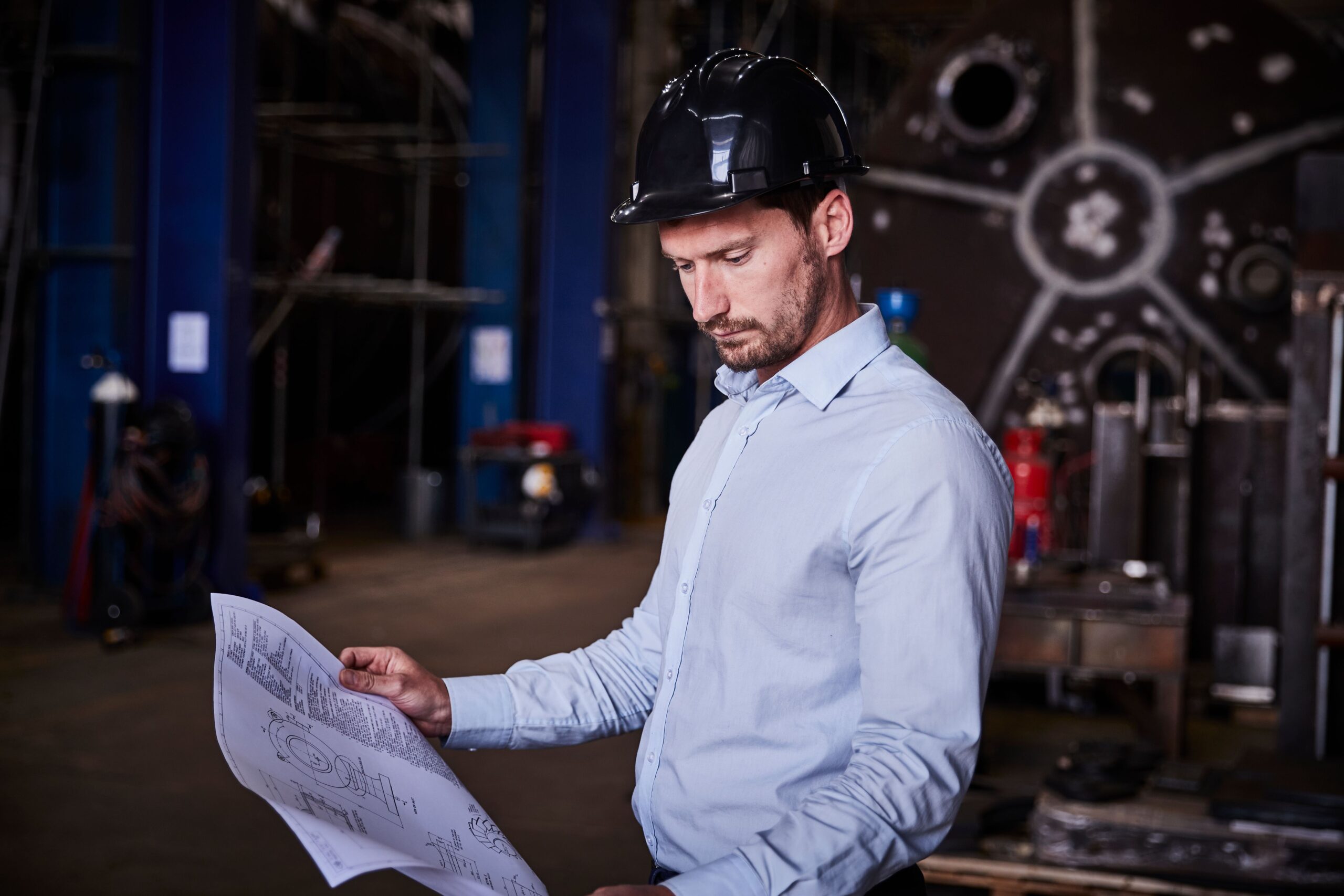
When people think about reducing the cost of a pressure vessel project, they often focus on fabrication. It’s an understandable assumption, but many of the biggest savings are made much earlier.
The decisions taken during the design stage have a significant influence on how straightforward a vessel is to manufacture, inspect, test and deliver. A design that looks good on paper isn’t always the most practical to build.
That’s where Design for Manufacture (DfM) comes in. By considering manufacturing from the outset, it’s possible to improve efficiency, avoid unnecessary complexity and keep projects moving without compromising quality or compliance.
For organisations investing in bespoke pressure vessels, particularly in regulated industries, it’s an approach that can deliver real value throughout the project lifecycle.
What Is Design for Manufacture?
Design for Manufacture is exactly what it sounds like – designing a product with the manufacturing process in mind.
Rather than completing a design and leaving fabrication teams to work around potential challenges, engineers consider how the vessel will actually be made while it’s still on the drawing board.
That could involve reviewing material choices, weld accessibility, fabrication sequences, inspection requirements or transport considerations before production begins.
The goal isn’t to simplify a design at the expense of performance. It’s to achieve the same engineering outcome in a way that’s practical, efficient and repeatable.
For bespoke pressure vessel manufacturing, where every project presents its own requirements, that early thinking can make a noticeable difference.
Small Changes Can Deliver Big Benefits
Not every improvement involves redesigning an entire vessel.
Sometimes relatively small adjustments during the engineering phase can remove unnecessary complexity later in manufacture.
For example, improving access for welding, simplifying fabrication sequences or considering how inspections will be carried out can all contribute to a smoother production process.
These kinds of changes may seem minor in isolation, but together they can help reduce manufacturing time, minimise rework and improve overall project efficiency.
Just as importantly, they can achieve those benefits without affecting the vessel’s intended performance or compliance requirements.
Early Collaboration Helps Avoid Problems Later
One of the biggest advantages of Design for Manufacture is bringing manufacturing expertise into a project as early as possible.
Design engineers and fabrication specialists each bring different perspectives. When they work together from the outset, potential manufacturing challenges are often identified before production begins rather than after drawings have been released.
That collaborative approach can reduce design revisions, improve buildability and help projects progress with fewer unexpected delays.
At LTi Vessco, we support projects from early design input through to fabrication, inspection, testing and certification. Having practical manufacturing knowledge available during the design stage helps ensure engineering decisions remain aligned with how the finished pressure vessel will actually be produced.
Why It Matters Even More for Bespoke Pressure Vessels
Design for Manufacture is valuable on almost any engineering project, but it’s particularly important when producing bespoke pressure vessels and low-volume pressure equipment.
Unlike high-volume manufacturing, where processes are repeated thousands of times, bespoke fabrication rarely follows exactly the same route twice. Every vessel may have different dimensions, materials, operating conditions or customer requirements.
That makes careful planning even more important.
Considering manufacturability from the beginning allows engineers to identify practical solutions before fabrication starts, helping to reduce unnecessary complexity while maintaining the performance the application demands.
Whether manufacturing a one-off replacement vessel, a prototype or a short production run, thoughtful engineering helps deliver a more efficient project.
Efficiency Never Comes at the Expense of Quality
There’s a common misconception that making something easier to manufacture means cutting corners.
In reality, effective Design for Manufacture is about improving efficiency without reducing standards.
Pressure vessel fabrication for regulated industries still requires rigorous engineering control, qualified welding procedures, inspection, testing and full traceability. Those requirements don’t change.
Instead, DfM helps ensure that quality is supported by a manufacturing process that’s been carefully considered from the outset.
The result is often a smoother project, improved productivity and fewer avoidable delays, while maintaining the compliance and reliability customers expect from safety-critical pressure equipment.
Experience Adds Value Before Manufacturing Begins
Every pressure vessel project is different, which is why practical manufacturing experience is so valuable during the design phase.
As a UK pressure vessel manufacturer specialising in bespoke and low-volume pressure vessel fabrication, LTi Vessco works with customers across nuclear, water treatment, oil and gas, chemicals, renewables and other regulated sectors where engineering decisions carry long-term consequences.
From pressure vessels and heat exchangers to pressurised columns, skid packages, tanks and silos, our team combines engineering knowledge with precision welding and fabrication to support projects from initial design input through to manufacture, testing and certification.
By considering how equipment will be manufactured as well as how it will perform in service, we help customers develop practical solutions that support quality, compliance and dependable delivery.
Making Better Decisions from Day One
Successful pressure vessel manufacturing doesn’t begin when fabrication starts. It begins much earlier, with informed engineering decisions that consider the entire manufacturing process.
Design for Manufacture is one way of achieving that. By thinking about fabrication, inspection and assembly during the design stage, projects can often be delivered more efficiently while maintaining the high standards expected in regulated industries.
For organisations investing in bespoke pressure vessels, working with an experienced manufacturing partner from the outset can help reduce lead times, improve buildability and support a smoother route from concept to completed equipment.
At LTi Vessco, that’s all part of Making Stuff That Matters – combining engineering expertise, precision fabrication and practical manufacturing knowledge to deliver pressure vessels that perform reliably where it matters most.