
Sovereign Manufacturing: Strengthening the UK’s Critical Infrastructure Supply Chain
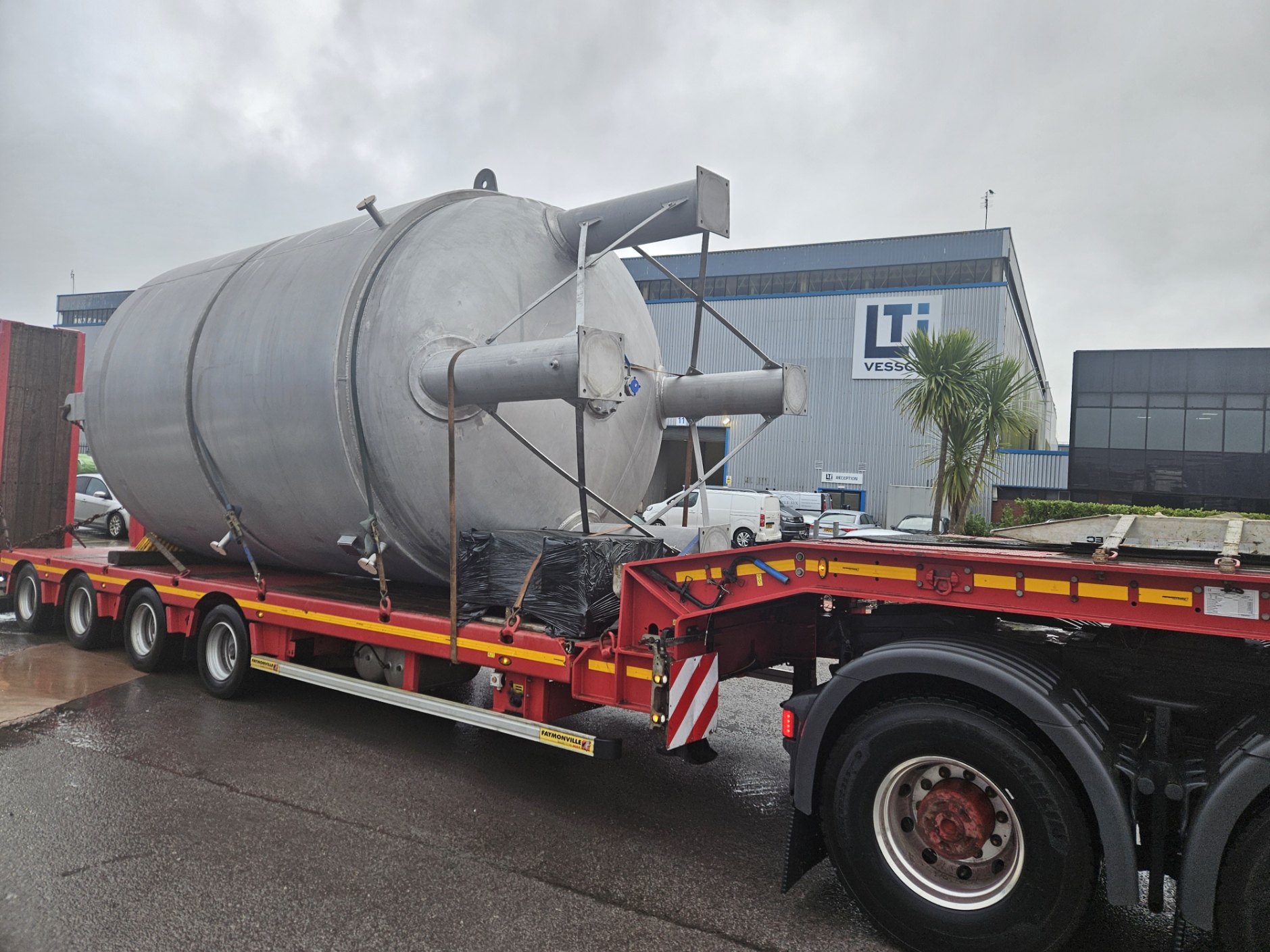
The UK’s critical infrastructure depends on a vast amount of equipment most people will never see.
Pressure vessels, heat exchangers, columns, tanks and other fabricated systems operate behind the scenes across energy, nuclear, water, oil and gas and industrial applications. When new equipment is needed, an existing system requires replacement, or a project calls for something highly specialised, the capability to manufacture it has to exist somewhere.
That is where sovereign manufacturing becomes more than a policy discussion.
For critical engineering, a resilient supply chain isn’t simply about where something is made. It’s about maintaining access to the skills, facilities, qualified processes and manufacturing knowledge needed to produce essential equipment when it is required.
What Does Sovereign Manufacturing Mean in Engineering?
Sovereign manufacturing doesn’t mean that every component used by UK industry needs to be manufactured domestically. Modern engineering relies on international supply chains, specialist suppliers and global expertise.
The more practical question is whether sufficient capability exists within the UK to support strategically important requirements when needed.
For pressure equipment, that capability goes well beyond having the machinery to cut, form and weld metal.
It requires experienced engineers and coded welders. It requires controlled manufacturing and welding procedures, appropriate inspection and testing, and the documentation needed to demonstrate what has been manufactured and how.
It also requires flexibility.
Some of the most important infrastructure projects don’t need thousands of identical components. They may need one highly specialised vessel, a small production run or replacement equipment manufactured to exact project requirements.
Maintaining that capability is an important part of a resilient industrial supply chain.
Critical Infrastructure Doesn’t Always Need Mass Production
Manufacturing capacity is often discussed in terms of scale. Bigger factories, greater output and higher production volumes tend to dominate the conversation.
Critical infrastructure can present a very different challenge.
A project in the nuclear, energy, water or process industries may require pressure equipment with particular dimensions, geometries, materials or operating requirements. Existing facilities can also need replacement equipment that must integrate with systems already in service.
These aren’t necessarily products suited to conventional mass production.
They require manufacturers capable of responding to individual specifications and controlling the fabrication process accordingly.
That’s why bespoke and low-volume manufacturing deserves a place in the conversation about UK manufacturing resilience. Capacity isn’t only about how much industry can produce. It’s also about what it is capable of producing.
When Distance Becomes an Engineering Consideration
There are good reasons why engineering supply chains operate internationally, and manufacturing something in the UK doesn’t automatically make it quicker, cheaper or better.
However, proximity can offer practical advantages on technically demanding projects.
Pressure vessel manufacture can involve ongoing communication between customers, engineers, fabricators, inspectors and other parties. Questions can emerge around materials, manufacturability, inspection requirements, documentation and testing long before the finished equipment leaves the factory.
For complex pressure equipment, the supply chain isn’t simply moving a finished product from A to B. It’s managing information, materials, quality requirements and engineering decisions from specification through to delivery.
Having specialist manufacturing capability within the UK can provide another option for organisations that need close collaboration and greater visibility throughout that process.
Resilience Has to Be Built Into Manufacturing
A domestic supply chain is only valuable if it can deliver the standards the application requires.
For regulated pressure equipment, quality cannot simply be checked once fabrication is complete. It needs to be controlled throughout the manufacturing route.
That can include material traceability, qualified welding procedures, coded welders, staged inspection, appropriate testing and complete supporting documentation. Each contributes to confidence that the finished equipment meets its specified requirements.
At LTi Vessco, this controlled approach is supported by internationally recognised certifications and standards, including ISO 9001, ISO 14001, ISO 45001, Fit for Nuclear, BS EN 1090 and ISO 3834. We also hold the ASME U Stamp, supporting pressure vessel manufacture to ASME code for UK and international projects.
These aren’t simply badges attached to the finished product. They form part of the systems and disciplines behind controlled, accountable manufacturing for regulated industries.
Manufacturing Capability Ultimately Comes Down to People
Factories and equipment matter, but they aren’t the whole story.
Specialist manufacturing depends on the people who understand how to turn engineering requirements into reliable finished equipment.
Coded welders, engineers, inspectors and quality teams build expertise through training and practical experience. That knowledge becomes particularly valuable when projects involve unusual geometries, demanding materials or stringent compliance requirements.
Maintaining sovereign manufacturing capability therefore also means maintaining the skills behind it.
At LTi Vessco, we continue to invest in our people, welding techniques and fabrication equipment. It’s an important combination because specialist capability isn’t something that can simply be switched on when demand appears. It needs to be developed and maintained over time.
Supporting the Industries Behind Everyday Life
The need for specialist manufacturing capability cuts across some of the UK’s most important industries.
In nuclear and fission, pressure equipment can form part of highly regulated systems where fabrication, documentation and traceability requirements are stringent.
Across power generation and energy, pressure containment equipment supports systems expected to operate reliably under demanding conditions.
The water treatment and utilities sector relies on robust process equipment to support infrastructure that homes, businesses and communities depend upon.
Meanwhile, upstream and downstream oil and gas applications can introduce demanding combinations of pressure, temperature and material requirements.
LTi Vessco has also diversified into chemicals, green energy and renewables, extending the same high-integrity fabrication principles into industries supporting the UK’s evolving infrastructure.
Different sectors bring different requirements, but the underlying need is similar: access to manufacturers capable of turning demanding specifications into controlled, traceable equipment.
One-Off and Replacement Equipment Matters Too
Strengthening manufacturing resilience isn’t only about major new infrastructure programmes.
Much of the UK’s infrastructure is designed for long service lives. Over time, existing facilities may require replacement vessels, modified equipment or new components that need to integrate with established systems.
Those requirements may involve unusual specifications and relatively small quantities.
A manufacturing base geared entirely towards high-volume production cannot necessarily meet that need. Specialist one-off and low-volume capability provides another important piece of the supply-chain picture.
From our facility in Bridgend, South Wales, LTi Vessco manufactures bespoke and low-volume pressure vessels alongside heat exchangers, columns, tanks and silos, skid packages and supporting fabrications.
We work with stainless steel, carbon steel, nickel alloys, duplex, super duplex and other customer-specified material grades, providing the flexibility required for a broad range of regulated applications.
Resilience Starts Before Fabrication
Supply-chain resilience shouldn’t begin when a component is already urgently required.
Early engagement with manufacturing specialists can help project teams establish how equipment will be fabricated, identify potential manufacturing considerations and determine appropriate inspection and testing routes before production begins.
That can be particularly valuable for bespoke pressure equipment, where seemingly small design decisions may have significant implications once fabrication starts.
Bringing manufacturing knowledge into the conversation earlier creates an opportunity to address those considerations before they become production problems.
Where specified, LTi Vessco can then support projects through fabrication, in-house pressure testing and NDT, backed by the traceable documentation required for safety-critical applications.
Sovereign Manufacturing Is About Maintaining Options
The case for UK manufacturing doesn’t have to be based on the idea that everything should be made here.
It’s about maintaining options.
When a bespoke requirement emerges, existing infrastructure needs replacement equipment or a regulated project requires close engineering collaboration, organisations benefit from having specialist manufacturing capability available within the UK.
LTi Vessco has operated as a pressure equipment specialist since 2006. Today, our South Wales facility supports bespoke and low-volume manufacturing for technically demanding sectors in the UK and internationally.
As part of the wider LTi Group, that capability also sits alongside LTi Metaltech’s high-volume pressure vessel manufacturing expertise, providing complementary manufacturing capabilities across different production requirements.
Capability Has to Exist Before You Need It
Critical infrastructure is only as dependable as the network of people and businesses capable of supporting it.
Manufacturing facilities, experienced welders, engineering knowledge, qualified procedures and inspection capability take time to develop. They cannot simply be created overnight when a critical requirement appears.
Maintaining specialist manufacturing capability in the UK helps ensure that expertise remains available for the infrastructure and industries that depend upon it.
Because ultimately, sovereign manufacturing isn’t just about where something is made.
It’s about having the capability to make it when it matters.
If you’re planning bespoke pressure equipment for nuclear, energy, water, oil and gas or another regulated application, speak to LTi Vessco about supporting your project from early manufacturing input through fabrication, testing and certified delivery.