
Our Blog
From our Bridgend (South Wales, UK) facility we design and manufacture pressure vessels and pressurised columns for the petroleum, nuclear power, water and petrochemical industries, as well as a variety of shop-built carbon steel and stainless steel storage tanks and drums.
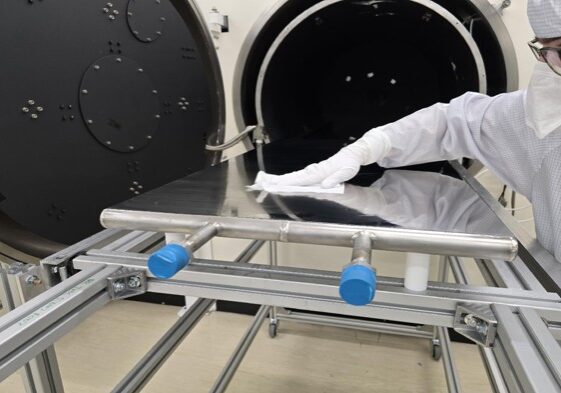
LTi Vessco contributes to consortium advancing thermal shield technology for UK fusion programme
LTi Vessco has played a key role in a collaborative research project supporting the UK’s Spherical Tokamak for Energy Production (STEP) programme, contributing its specialist manufacturing expertise to the development and evaluation of next-generation thermal shield technologies for future fusion power plants. Working as part of a consortium alongside the Manufacturing Technology Centre (MTC), the…
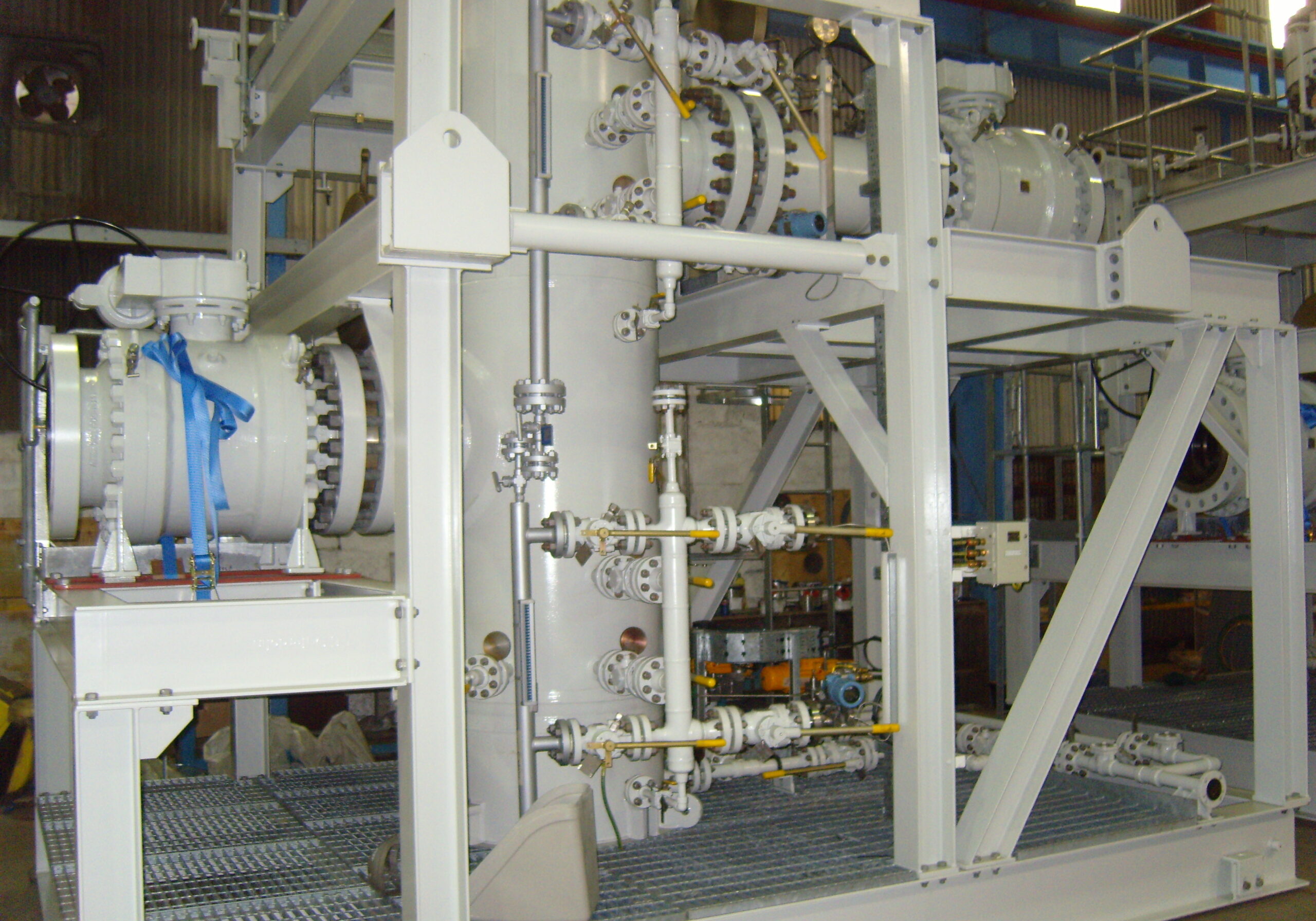
What Is a Pressure Vessel Skid Package and Where Is It Used?
At first glance, a pressure vessel skid package can look relatively simple – pressure equipment mounted onto a fabricated base or frame. In practice, there is more to it. A skid package brings pressure equipment and supporting fabrication together into an organised assembly for use within a wider industrial process. Depending on the application, that…
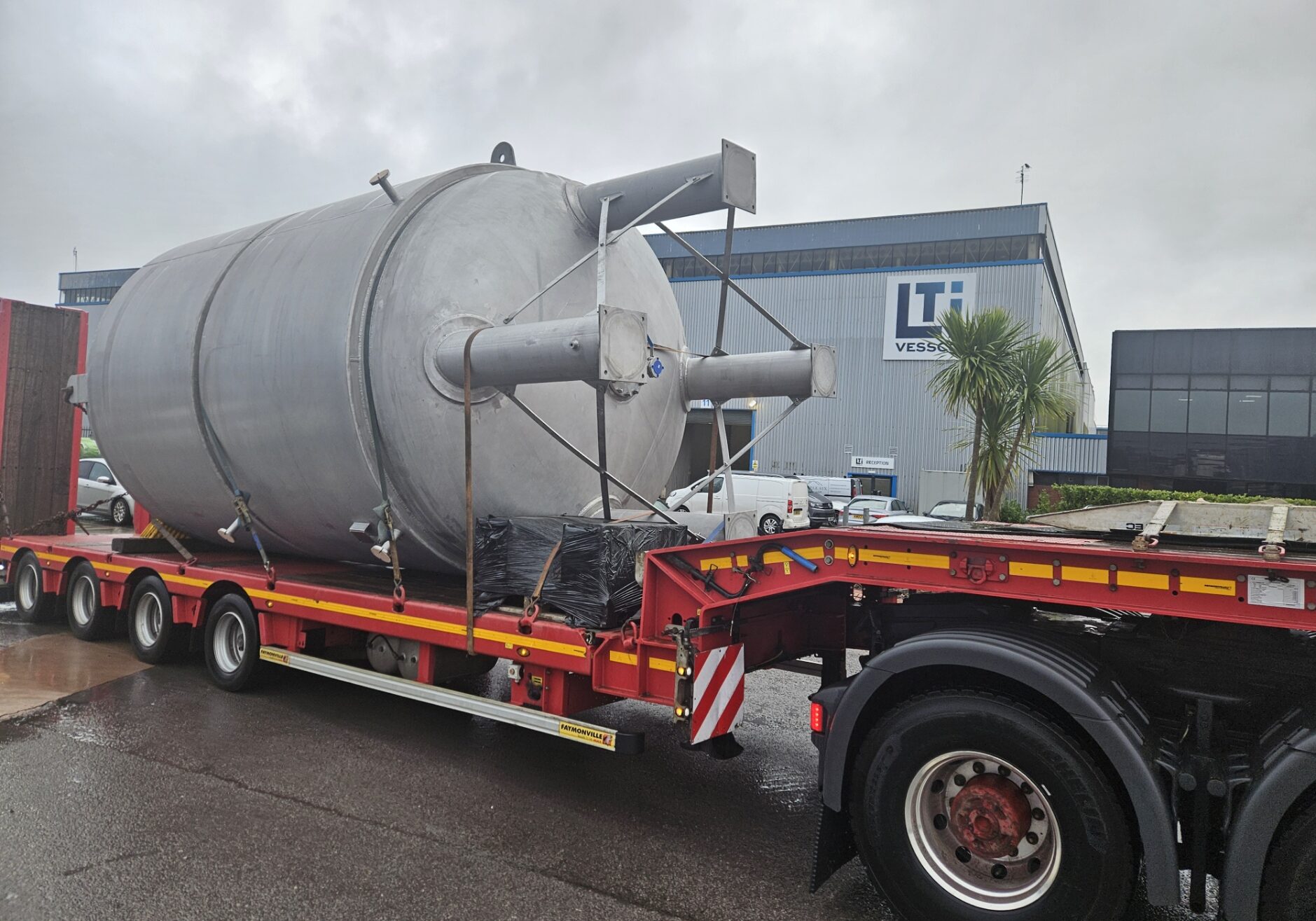
Sovereign Manufacturing: Strengthening the UK’s Critical Infrastructure Supply Chain
The UK’s critical infrastructure depends on a vast amount of equipment most people will never see. Pressure vessels, heat exchangers, columns, tanks and other fabricated systems operate behind the scenes across energy, nuclear, water, oil and gas and industrial applications. When new equipment is needed, an existing system requires replacement, or a project calls for…

How Carbon Capture Projects Are Creating New Opportunities for UK Pressure Vessel Manufacturers
As industries work towards reducing carbon emissions, carbon capture is becoming an increasingly important part of the UK’s industrial future. Large-scale projects are now being developed across the country, with investment flowing into infrastructure designed to capture, transport and manage carbon dioxide produced by energy generation and industrial processes. While much of the attention naturally…

How Design for Manufacture (DfM) Reduces Cost and Lead Times for Pressure Vessels
When people think about reducing the cost of a pressure vessel project, they often focus on fabrication. It’s an understandable assumption, but many of the biggest savings are made much earlier. The decisions taken during the design stage have a significant influence on how straightforward a vessel is to manufacture, inspect, test and deliver. A…

LTi Vessco secures major carbon capture vessel contract for UK decarbonisation project
LTi Vessco has secured a major contract from Mitsubishi Heavy Industries to manufacture a key process vessel for Heidelberg Materials’ Padeswood Carbon Capture and Storage (CCS) project in North Wales, one of the UK’s most significant industrial decarbonisation developments, and the first carbon capture plant for cement in the UK. The award will see the…

Why Traceability Matters in Safety-Critical Pressure Vessel Manufacturing
When people think about pressure vessels, they often focus on the finished product. They see the fabrication, the welding, the testing, and the engineering expertise that goes into creating equipment designed to perform in demanding environments. What is less visible, but equally important, is traceability. In safety-critical industries, confidence doesn’t come from assumptions. It comes…

From Prototype to Pressure-Tested: The Journey of a Bespoke Vessel in Regulated Engineering
When people think about pressure vessels, they often picture the finished product sitting on a plant floor or integrated into a larger industrial process. What’s less visible is the amount of engineering, fabrication control, inspection, and testing required to get it there – especially when the vessel is bespoke and intended for regulated industries. In…

Why Low-Volume Manufacturing Demands a Different Engineering Mindset
It’s easy to think of low-volume manufacturing as simply doing less of the same thing. Fewer units, smaller runs, reduced output.In reality, it’s not just a scaled-down version of mass production. It’s a completely different way of working.For businesses operating in safety-critical industries, where bespoke pressure vessels and specialist equipment are the norm, low-volume manufacturing…